When you send an Australian luxury hamper, you’re not just giving a collection of treats—you’re offering an experience. But what if one of the goodies turns out to be spoiled? Knowing how to handle a spoiled item in an Australian luxury hamper can save the day, preserve the rest of the gift, and keep your reputation intact. This article walks you through the steps, from spotting the problem early to communicating with the recipient, all while keeping the tone professional and peppered with light humor.
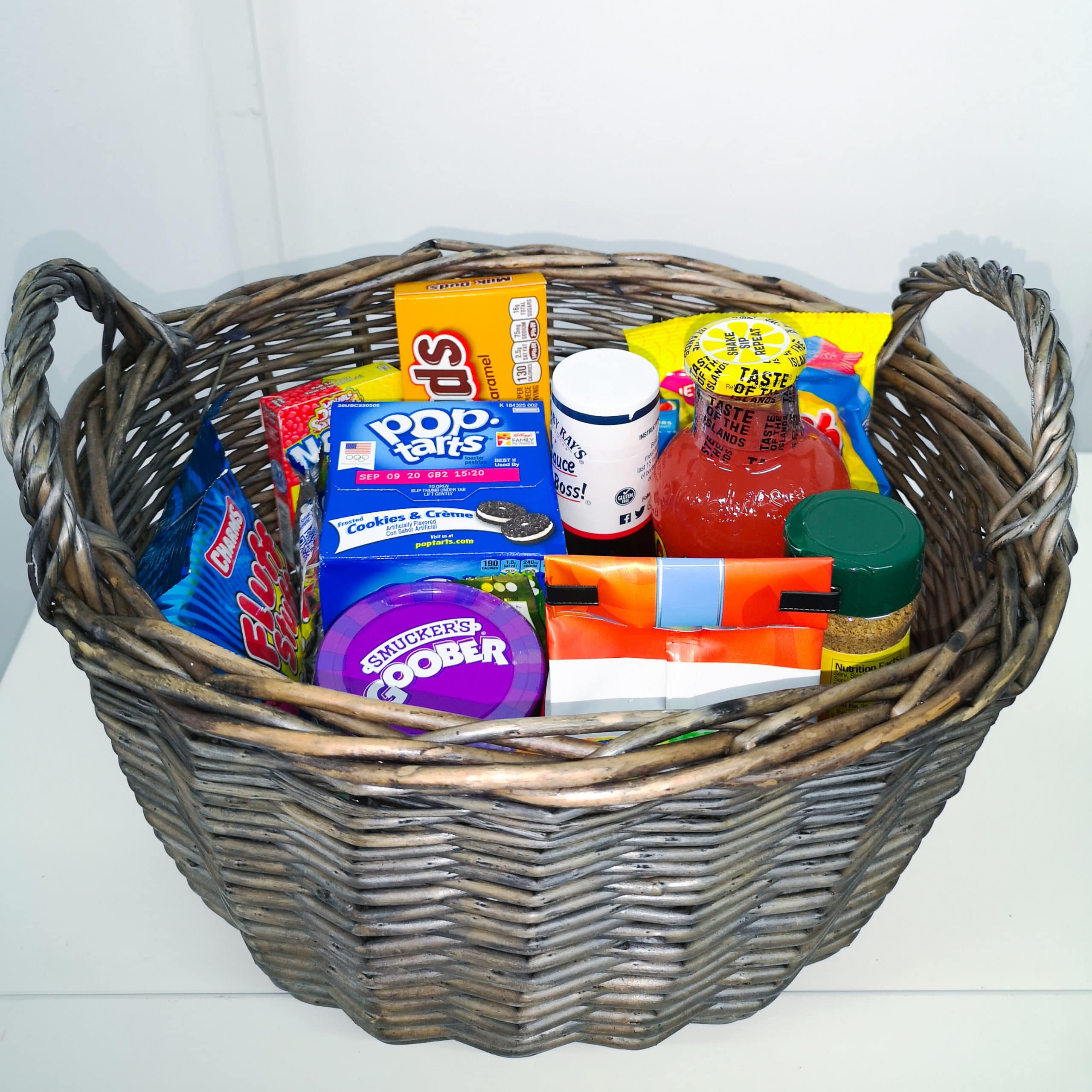
Understanding the Luxury Hamper Landscape
Luxury hampers in Australia often feature a blend of gourmet foods, premium wines, artisanal cheeses, and handcrafted accessories. The combination of high‑end items and the country’s varied climate means that temperature control is paramount. Even a single misstep can compromise the entire presentation.
What Makes an Australian Luxury Hamper Special
- Local sourcing: Many hampers showcase produce from regional farms, giving them a unique, terroir‑rich appeal. Seasonal flair: Items are often chosen to match the season—think summer berries or winter truffles. Presentation: A beautifully arranged hamper tells a story; the packaging is as important as the contents.
Common Items and Their Fragility
- Cheeses: Susceptible to mold and moisture. Fresh fruits: Prone to bruising and spoilage. Beverages: Sensitive to temperature fluctuations.
Understanding these nuances helps you anticipate where spoilage might occur and how to prevent it.
Spotting the Spoiled Item Early
The first Birthday gifts line of defense is detection. A spoiled item can ruin the aesthetic and taste of a hamper, so catching it early is essential.

Visual Clues
- Discoloration: A greenish tint on a fruit or a yellow spot on a cheese can signal spoilage. Mold growth: Soft, fuzzy patches are a red flag. Texture changes: A fruit that feels unusually soft or a cheese that has become rubbery.
Smell Test and Other Senses
- Odor: A sour or off smell is a giveaway. Sound: A hollow thump when tapping a hard item may indicate internal damage.
*Rhetorical question:* Have you ever opened a hamper and been hit by a sudden, unpleasant aroma? That’s your cue to investigate further.
Immediate Actions to Preserve the Rest
Once a spoiled item is identified, quick action can prevent it from affecting the rest of the hamper.
Isolate the Spoiled Item
- Separate packaging: Wrap the item in a fresh, airtight bag to contain any odors. Refrigerate if possible: If the hamper has been stored in a cooler environment, place the item in a small insulated container.
Check Temperature and Storage Conditions
- Temperature log: Keep a record of ambient conditions during transport. Cooling packs: If the hamper is still on its way, adding a cooling pack can help maintain freshness.
*Bullet points for quick reference:*
- Use a separate bag Keep it cool Monitor temperature
Deciding What to Do with the Spoiled Item
Now that the item is isolated, decide whether to replace it, remove it, or repurpose it.
Replacing vs. Removing
Get well soon gifts- Replacement: If the hamper’s theme hinges on that item (e.g., a specific cheese variety), ordering a fresh batch may be worthwhile. Removal: If the item is a minor component, simply excise it and leave a small apology note.
Creative Reuse Ideas
- Craft projects: Turn a spoiled fruit into a decorative centerpiece after drying. Donation: Some charities accept non‑edible items from hampers for use in gift baskets.
*A brief anecdote:* I once received a hamper with a slightly bruised mango. Instead of discarding it, I sliced it thin, dried it in the sun, and used the resulting chips as a garnish for a salad. The recipient loved the unexpected twist!
Communicating with the Recipient
Transparency is key, but so is tact. The way you communicate can either mitigate disappointment or amplify it.
Honesty vs. Polite Discretion
- Honest approach: Explain the situation briefly and offer a replacement. Polite discretion: If the recipient is likely to be forgiving, a simple apology note may suffice.
Adding a Touch of Apology
- Personal note: Handwritten apologies carry more weight than a printed one. Small token: Include a complimentary item, such as a single chocolate or a small bottle of wine, to show goodwill.
*Quote:* “The best way to find yourself is to lose yourself in the service of others.” – Mahatma Gandhi. This reminds us that a sincere apology can restore trust.
Maintaining Future Hampers
Prevention is always better than cure. By refining your packaging and storage processes, you can reduce the likelihood of spoilage.
Proper Packing Techniques
- Layering: Use moisture‑absorbing pads between layers. Ventilation: Ensure air circulation by avoiding over‑packing. Temperature control: Include insulated liners when shipping to cooler climates.
Storage Tips for the Australian Climate
- Cool, dry rooms: Store hampers in climate‑controlled spaces. Avoid direct sunlight: UV rays can degrade sensitive items. Regular checks: Inspect hampers before shipping to catch any early signs of spoilage.
*Bullet list for quick reference:*
- Moisture pads Insulated liners Climate control
The Perfect Gift Awaits: Final Thoughts
Handling a spoiled item in an Australian luxury hamper doesn’t have to be a disaster. By spotting spoilage early, acting swiftly, making thoughtful decisions, and communicating with care, you preserve the integrity of the gift and the goodwill of the giver. Remember, a well‑managed hamper is not just a collection of items—it’s a curated experience that reflects your attention to detail and respect for the recipient.
If you’re preparing a luxury hamper, keep these steps in mind, and you’ll ensure that every bite, sip, and touch is as delightful as the first. Happy gifting!